


Why choose us
One-Stop Solution
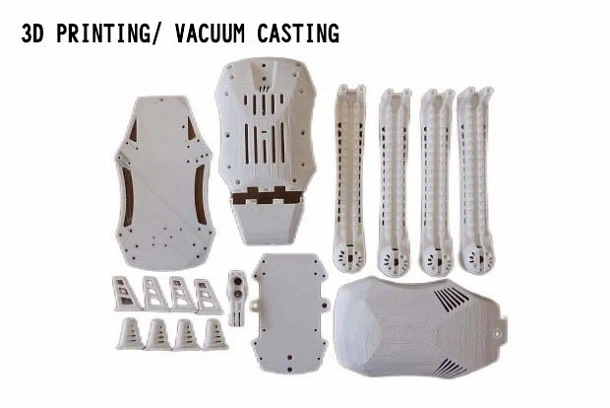
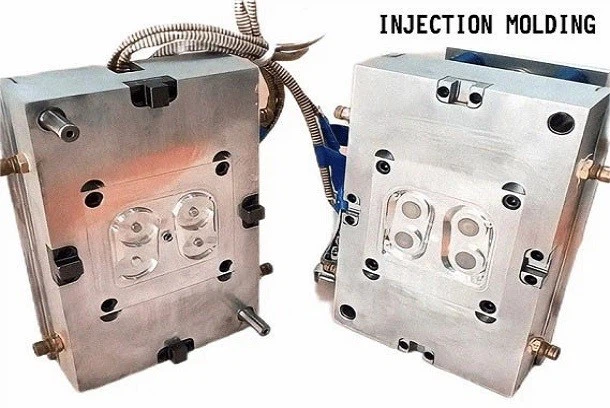
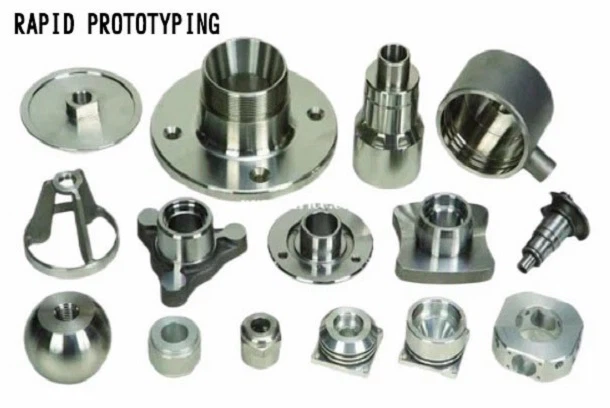
We offer one-stop manufacturing solutions covering CNC machining, 3D printing, sheet metal fabrication, mold making, and a wide range of material options and surface treatment solutions, supporting everything from rapid prototyping to on-demand production.
Our Certificate
Our factory management system conforms to GB/T 9001-2015 IDT ISO 9001:2015 standards.
Quality Control and Shipments
We have specialized engineers to examine the quantity, size, assembly, and surface finish. Once they confirm that everything is in order, we will send pictures to our clients for confirmation. After approval, we will arrange international express shipping (DHL, UPS, TNT, EMS, FedEx) with the best packaging.
After-Sale Service
If there are any discrepancies with your requirements, we will refund your money or reproduce the products until you are satisfied, free of charge.
Stainless steel CNC machining is an accurate and efficient machining process that uses CNC machines to shape, fabricate and cut stainless steel parts.
Numerous industries use stainless steel because it is durable and resistant to corrosion. However, CNC machining is a flexible and cutting-edge technique for producing intricate stainless steel machined parts with great precision.
The stainless steel CNC machining process starts with producing a compute-aided or digital design model of the desired parts. CAM (Computer-Aided Manufacturing) software then converts this design into code machines can read.
The CNC machine analyzes the code to activate the accurate movement of the cutting tool and extract material from the stainless workpiece. The CNC machine uses programmed instructions to carry out a variety of operations during the machining process. However, this is dependent on the specification and complexity of the parts.
Some of the operations are grinding, drilling, or turning. The computerized control of the CNC machine ensures repeatable, dependable operations that produce components with high accuracy and fewer mistakes.
-
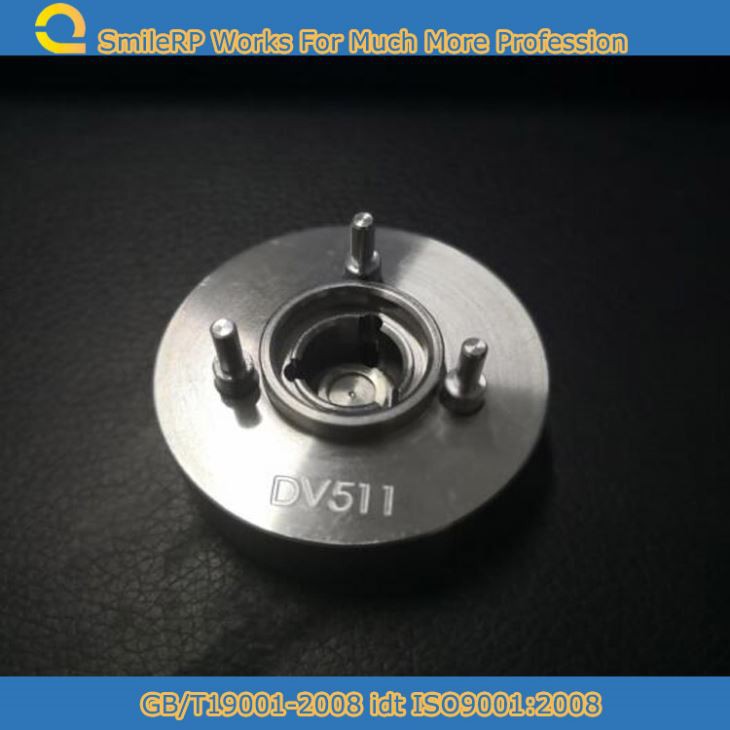
![SST 303 304 Prototype By CNC Milling]() SST 303 304 Prototype By CNC Millingwe are one of the best factories of Stainless Steel Metal Prototype Process . Process Material: Stainless Steel 303,304,Carbon Steel,Mould Steel . Process Methods: CNC Machining,CNC Milling,CNC
SST 303 304 Prototype By CNC Millingwe are one of the best factories of Stainless Steel Metal Prototype Process . Process Material: Stainless Steel 303,304,Carbon Steel,Mould Steel . Process Methods: CNC Machining,CNC Milling,CNC -
![Stainless Steel 303 304 CNC Machining Prototypes]() Stainless Steel 303 304 CNC Machining Prototypeswe are one of the best factories of Stainless Steel Metal Prototype Process . Process Material: Stainless Steel 303,304,Carbon Steel,Mould Steel . Process Methods: CNC Machining,CNC Milling,CNC
Stainless Steel 303 304 CNC Machining Prototypeswe are one of the best factories of Stainless Steel Metal Prototype Process . Process Material: Stainless Steel 303,304,Carbon Steel,Mould Steel . Process Methods: CNC Machining,CNC Milling,CNC


We can also make stainless steel product by cnc machine center,EDM and wire cut.we often use sus303,sus304,#45,Carbon Steel and mould steel to make prototype for our clients. CNC Milling is a cutting process in which material is removed from a block by a rotating tool. In CNC Milling the cutting tool is moved in all three or five dimensions to achieve the desired part shape. In CNC milling the cutting tool usually rotates about an axis that is perpendicular to the table that holds the material to be cut. A milling machine looks somewhat like a drill press at first glance. A cutting tool protrudes down from a rotating spindle. A block of material is placed on a moving table below the cutter. While the cutting tool turns, a computer controls the vertical (Z axis) motion of the cutter and the horizontal (X and Y axis) motion of the block of material. The cutter is guided to move through the material, removing portions to create shapes.
As one of the reliable manufacturers and suppliers in China, our company is available to provide the CNC mill made in China with superior quality that you can buy the good products from our factory.
What are the Benefits of Stainless Steel CNC Machining?
Machinability
The versatility of stainless steel enables it to be fabricated using multiple methods, including cutting, welding, bending and forming. However, because of its hardness, stainless steel CNC machining requires the right tools and expertise for best results.
Corrosion Resistance
Stainless steel is naturally resistant to corrosion because it contains chromium. It reacts with oxygen to form a thin protective oxide layer on the surface. It makes the surface electrochemically passive in corrosive environments. The more chromium the steel contains, the greater its corrosion resistance.
Durability
Stainless steel is a lightweight material compared to other metals. Yet it’s exceptionally tough and durable.
Tensile Strength
When compared with mild steels, stainless steels have greater tensile strength. Stainless steel alloys provide enhanced characteristics for specific applications. Common alloys include iron, chromium and nickel. Talk to a Fathom expert for help selecting the right material for your stainless steel CNC machining needs.
Aesthetics
Stainless steel provides a bright, reflective surface that is modern and attractive. It’s available in several finishes, including brushed, polished, and satin. This gives designers additional options for creating different aesthetic effects with this versatile material.
Hygiene
Stainless steel is very hygienic because its smooth, non-porous surface is easy to clean and sanitize. It also prevents the build-up of grime and bacteria on its surface. These factors make it a popular choice for medical devices and equipment.
Rigid Machines and Tooling
Stainless steel is an exceptionally hard material. As such, it is important that the machine and tooling is of high quality and extremely robust and rigid. Such a material can cause chatter in the machine and may be problematic for part machining. This same methodology applies to workholding fixtures, as these are just as susceptible to failure due to vibration during the rigorous machining process.
Choose the Right Tool Material
A few great choices exist for CNC machining of stainless steel. High Speed Steel (HSS) such as tungsten or molybdenum HSS. These HSS tool materials are used depending on hardness, abrasion resistance and strength. Different grades can be used to optimize the process. Tougher end mills can be used when edge chipping is a factor. Cemented carbines are another great choice. Cemented carbides are a great substitute for HSS when higher feeds or speeds are required. Using a coated cemented carbide tool will help improve wear and reduce breakage.
Coolant Choice
There are dozens if not hundreds of coolant manufacturers. It is important to choose a reputable coolant manufacturer that understands the properties of your materials and how they will work in concert with their products. Depending on your application, the type of coolant you choose will affect tool wear, feeds and speeds, chip removal, surface finish, heat removal and corrosion resistance. The families of coolants are the emulsified, mineral oils and cold gas. Make sure whoever is in charge of coolants is very familiar with each to ensure proper part manufacturing.
Stainless Steel Machining Processes

Milling
Milling is the most common primary stainless steel machining process. It uses high-speed rotating cutting tools for a stationary workpiece. Choosing the right tool when using milling machines on stainless steel alloys is important. Wrong tools or high speeds can result in rapid tool wear. Milling stain steel has a very high accuracy and a smooth cutting edge.
Turning
Turning requires a stationary cutting tool and a rotating workpiece. The tool comes in physical contact with the rotating workpiece to remove material. Turning is a common process for machining austenitic stainless steel. It is important to keep tool overhang minimum when machining stainless steels.
Drilling
Drilling is a secondary machining process used in conjunction with other metalworking techniques. Drilling is done to create holes in the metal workpiece. Stainless steels are drilled for screw holes, secondary assembly, or aesthetics.
Threading
Threading is done on steel parts for mounting screws and fasteners. The threads can be inside a hole or the exterior of the workpiece. Threading on stainless steel are usually carried on pipes and tubes.
Laser Cutting
Laser cutting uses an amplified light beam for melting and removing stainless steel. This method only works for thin sheets of stainless steel. It is better than cemented carbide tools because tool wear doesn’t occur. However, it is very expensive and requires highly skilled labor.
Grinding
Grinding is done to enhance the surface finish of the stainless steel. It can also make the workpiece more accurate by removing material in very low volume. Grinding rubs abrasive wheels against stainless steel workpieces. This process can also remove the burrs created due to welding. Grinding can help in creating a smooth cutting edge on stainless steel parts.
EDM (Electrical Discharge Machining)
Electrical Discharge Machining (EDM) uses electrical pulses to melt the metal. The electrical pulses have a very high voltage and frequency. This process is limited in terms of stainless steel cutting thickness.
Waterjet Cutting
Waterjet cutting uses the force of high-pressure water for material erosion and cutting. This process can cut thick sheets of stainless steel. However, if the particular stainless steel grade has low corrosion resistance, waterjet cutting can cause adverse effects.
Tips for CNC machining stainless steel
CNC machining stainless steel can be made easier by employing the following tips:
High Quality Raw Materials
Use the highest quality stainless steel material for the smoothest operation. There are many grades of stainless steel. There are multiple quality options within each grade. Purchasing quality raw materials can help save a lot of cost and hassle from broken knives.
Rigid Fixture
The fixture connection and the CNC machine should be very tight. Any tool chatter will be magnified and result in poorly machined parts. In addition, the body of the machine tool should not have excessive vibration after the workpiece is installed.
Tool Material
Selecting the correct tool material is critical to obtaining high-quality parts. Carbide tools are made of tungsten carbide, titanium carbide or tantalum carbide. Carbide cutters result in a better part surface finish. This makes them ideal for mass production and high cutting speeds.
Using Sharp Tools
Make sure you have sharp tools for consistent and precise machining. It is best to replace worn tools. Using blunt tools can lead to tool breakage and even damage to the workpiece material. When machining steel, tools also need to grind sharp edges.
Lubricant
The use of lubricants is critical when CNC machining stainless steel. Lubrication serves a variety of purposes in machining. First, it reduces the friction between the cutting tool and the metal. This equates to extending the life of the tool. Second, lubrication can reduce the temperature during CNC machining. This reduces work hardening and overheating problems. Finally, the lubricating fluid also washes off stainless steel residues from workpieces and tools.
Why is Stainless Steel So Hard to Machine?
High Strength and Work Hardening
Stainless steel has high tensile strength and gets stronger and more difficult to cut as the machining process goes forward. This requires more powerful machines and sharper cutting tools, increasing overall machining difficulty and time.
Poor Thermal Conductivity
Unlike some other metals, stainless steel is a poor conductor of heat. This means during CNC stainless steel heat is generated during cutting and can concentrate in a localized areas around the cutting tool. This intensity of the heat can negatively affect the tool’s lifespan and the quality of the machined surface.
Gummy Chips and Tool Welding
The high work hardening tendency and high cutting temperatures can lead to the formation of long, stringy chips. These can clog the cutting area and even weld themselves onto the cutting tool. This reduces efficiency and increases tool wear.
High Cutting Forces
Due to the high strength of stainless steel, significant force is required to remove material during machining. This translates to increased wear and tear on the machine itself, requiring robust equipment and potentially slowing down the machining process.
Finishes and Post-Processing Options
As Machined (Standard): This standard finish is the most basic and economical CNC finish, often used in applications where the surface won’t be visible, and appearance isn’t a priority.
Anodizing: Anodizing creates a protective oxidation layer on the surface of a part, usually through electrochemical processes. Anodized CNC machined parts can be dyed in different colors. This finish is often used for stainless steel parts that will be exposed to an outdoor environment, as the oxidation layer helps protect them from rust and corrosion.
Powder Coating: Powder coating creates an excellent and robust surface finish. Stainless steel is corrosion resistant to a wide array of chemicals, but some, like chlorides, still pose a challenge. Powder coating can be used to improve its anti-corrosion properties in these situations.
Bead Blasting: Bead-blasted CNC machining produces a matte finish with texture and evenness. The finish is achieved by blasting stainless steel with an abrasive media such as glass beads, aluminum oxide, or silicon carbide. Bead blasting creates a consistent look in end products with multiple parts machined from the same material.
Stainless Steel Types Used in CNC Machining
Stainless Steel is not a single alloy, as it features over 150 grades. The grades fall under several classes, and each class presents distinctive properties and applicable traits. Let us walk through four common types that are frequently adopted in CNC machining.
Austenitic Stainless Steels:
The class (303, 304, 316, 310 and 321 grades) exhibits high corrosive resistance and toughness but it is not capable of hardening by heat treatment. Non-magnetic feature is due to components including nickel and manganese. The weldability of austenitic steels is high and they are ductile, with chromium levels up to 18 %.
Ferritic Stainless Steels:
Ferritics are magnetic and chemically resistant family of metals, from which a number of grades including 409, 430, 430LI, 434, 439, 442, and 444 represent a few examples. They have the worst weldability but they have a good anti-stress cracking property because of the presence of chromium..
Duplex Stainless Steels:
Combining the features of both austenitic and ferritic steels, duplex grades (2101 LDX, DX2202, 2304, 2205, 2507, and Zeron 100) types present a high corrosion resistance and are also heat-treatable. They are magnetic in their structure, have high toughness and medium to high ductility.
Precipitation-Hardened Stainless Steels:
The age-hardening process results in a substantial increase in the yield strength of the PH stainless steels (martensitic PH, semi-austenitic PH, and austenitic PH), which can be four times higher than those of the austenitic grades. Their special structure facilitates a variety of features and usages, which makes them very flexible in rigorous settings.
Factors To Consider When Choosing a CNC Machining Stainless Steel Manufacturer
When choosing a CNC machining manufacturer for your stainless steel parts, there are several factors to consider to make an informed decision. Among the most important considerations are the following:
Material Availability
Find a manufacturer that offers a variety of stainless steel grades to ensure that your material needs are met. Also, a company with a larger CNC material inventory is likely capable of handling high-volume production.
Here are some common grades of stainless steel for CNC machining:
304: This is one of the most widely used grades and is known for its excellent corrosion resistance, high strength, and ease of fabrication.
303: This stainless steel has excellent machinability, making it ideal for components with tight tolerances.
306: This grade’s superior corrosion resistance makes it an excellent option for components exposed to harsh environments, such as salt water.
17-4PH: This grade has high-temperature resistance, ideal for aerospace and medical applications.
Experience
An experienced manufacturer will thoroughly understand the properties of different stainless steel grades and how to machine them optimally. This expertise and knowledge can also help ensure that your parts are manufactured to the highest quality standards. Similarly, verify whether the manufacturer has worked on similar projects in the past to avoid costly mistakes.
Equipment
A reliable partner will have durable and precise manufacturing equipment, including the most recent software and programs. This is especially important to avoid the possibility of breakdowns that could cause production delays. Moreover, advanced pieces of equipment can be more cost-effective in the long run as they can produce precise parts, resulting in fewer mistakes and less waste.
Quality Control
A manufacturer with a strong quality control system can guarantee that the parts you receive meet specifications, industry standards, and safety regulations. Additionally, it ensures few to no defects in the machined components. This can reduce the expenses associated with rework, repairs, and replacements.
Certifications
ISO certification demonstrates a company’s commitment to quality control and continuous improvement. It also shows that they have implemented a quality management system that meets or exceeds international standards.
Budget
Considering the budget ensures that you receive the best value for your money. It is recommended to obtain quotes from multiple manufacturers to compare the costs of the parts and any additional fees.
Our Factory
Established in 2011 in Shenzhen, China. Smile RP Ltd. (Shenzhen Smile Precision Technology Co limited) is an empowering company that provides precision manufacturing services and comprehensive manufacturing solutions. Since 2013, SMILE has been exporting excellent parts overseas, gradually expanding its customer base worldwide over the past decade.

FAQ
As one of the leading stainless steel cnc machining manufacturers and suppliers in China, we warmly welcome you to wholesale quality stainless steel cnc machining made in China from our factory.
SST 303 304 Prototype By CNC Milling, Sst 303 304 Prototype, Stainless Steel PrtototypePopular Products


