


Why choose us
One-Stop Solution
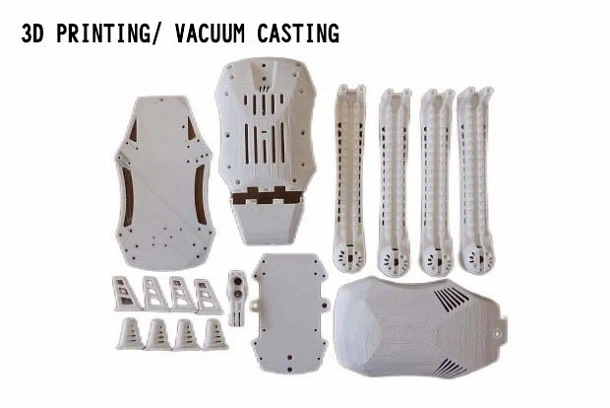
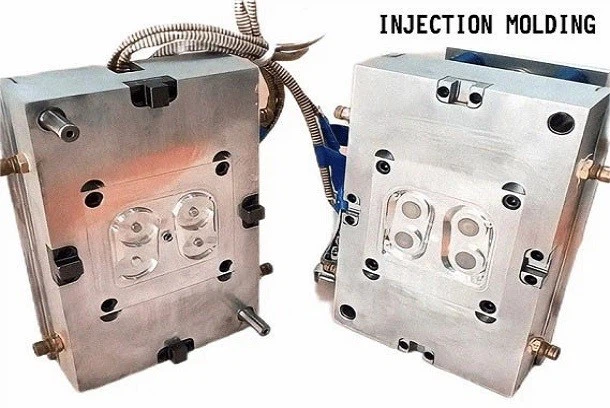
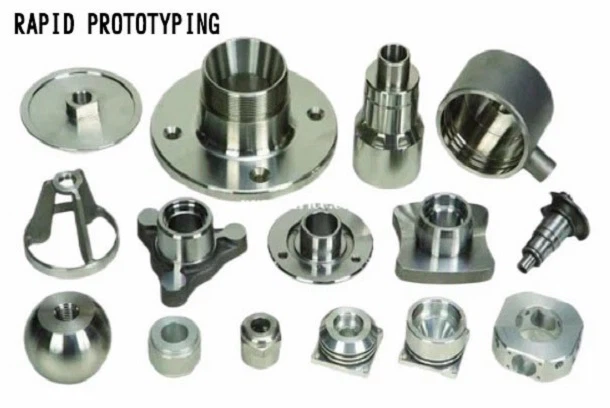
We offer one-stop manufacturing solutions covering CNC machining, 3D printing, sheet metal fabrication, mold making, and a wide range of material options and surface treatment solutions, supporting everything from rapid prototyping to on-demand production.
Our Certificate
Our factory management system conforms to GB/T 9001-2015 IDT ISO 9001:2015 standards.
Quality Control and Shipments
We have specialized engineers to examine the quantity, size, assembly, and surface finish. Once they confirm that everything is in order, we will send pictures to our clients for confirmation. After approval, we will arrange international express shipping (DHL, UPS, TNT, EMS, FedEx) with the best packaging.
After-Sale Service
If there are any discrepancies with your requirements, we will refund your money or reproduce the products until you are satisfied, free of charge.
Fabrication of sheet metal is a manufacturing process that involves shaping and manipulating thin sheets of metal into desired parts and components. It typically includes cutting, bending, forming, and assembling metal sheets to create various products such as enclosures, brackets, panels, and many more. The custom metal fabrication process requires skilled operators, precision equipment, and a thorough understanding of metal properties to achieve accurate and high-quality results.
-
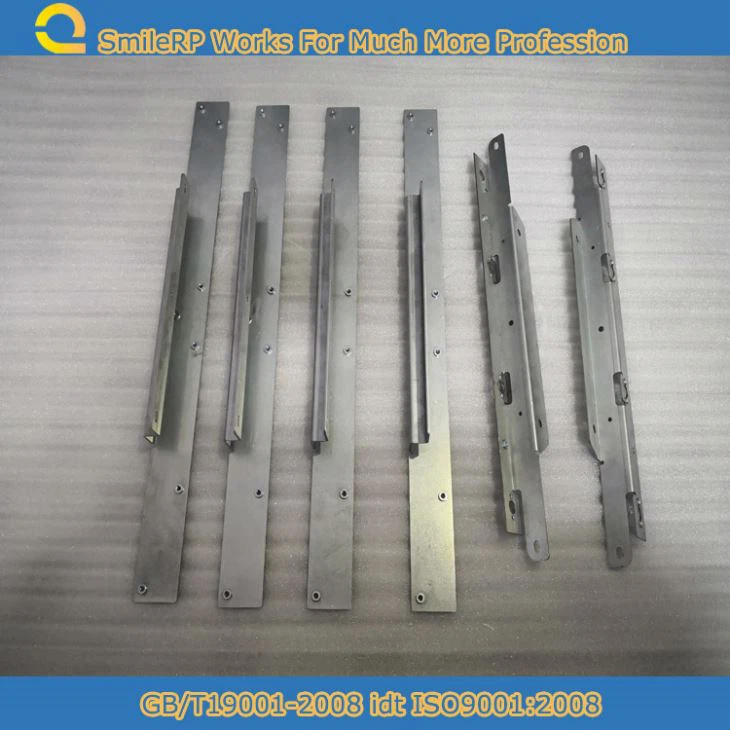
![Iron Sheet Metal Prototyping]() Iron Sheet Metal Prototypingwe are one of the best factories of Sheet Metal Prototype Process . Process Material: Iron,Stainless Steel,SPCC . Process Methods: Bend,Laser,Stamping,Weld . Surface Finish: Metal Oil Painting,Powder
Iron Sheet Metal Prototypingwe are one of the best factories of Sheet Metal Prototype Process . Process Material: Iron,Stainless Steel,SPCC . Process Methods: Bend,Laser,Stamping,Weld . Surface Finish: Metal Oil Painting,Powder -
![Iron Sheet Metal Punch Service]() Iron Sheet Metal Punch Servicewe are one of the best factories of Sheet Metal Prototype Process . Process Material: Iron,Stainless Steel,SPCC . Process Methods: Bend,Laser,Stamping,Weld . Surface Finish: Metal Oil Painting,Powder
Iron Sheet Metal Punch Servicewe are one of the best factories of Sheet Metal Prototype Process . Process Material: Iron,Stainless Steel,SPCC . Process Methods: Bend,Laser,Stamping,Weld . Surface Finish: Metal Oil Painting,Powder -
![Brass Sheet Metal Parts Process]() Brass Sheet Metal Parts Processwe are one of the best factories of Sheet Metal Prototype Process . Process Material: Iron,Stainless Steel,SPCC . Process Methods: Bend,Laser,Stamping,Weld . Surface Finish: Metal Oil Painting,Powder
Brass Sheet Metal Parts Processwe are one of the best factories of Sheet Metal Prototype Process . Process Material: Iron,Stainless Steel,SPCC . Process Methods: Bend,Laser,Stamping,Weld . Surface Finish: Metal Oil Painting,Powder -
![Stainless Steel Sheet Metal Products]() Stainless Steel Sheet Metal Productswe are one of the best factories of Sheet Metal Prototype Process . Process Material: Iron,Stainless Steel,SPCC . Process Methods: Bend,Laser,Stamping,Weld . Surface Finish: Metal Oil Painting,Powder
Stainless Steel Sheet Metal Productswe are one of the best factories of Sheet Metal Prototype Process . Process Material: Iron,Stainless Steel,SPCC . Process Methods: Bend,Laser,Stamping,Weld . Surface Finish: Metal Oil Painting,Powder -
![Stainless Steel Products Sheet Metal Supply]() Stainless Steel Products Sheet Metal Supplywe are one of the best factories of Sheet Metal Prototype Process . Process Material: Iron,Stainless Steel,SPCC . Process Methods: Bend,Laser,Stamping,Weld . Surface Finish: Metal Oil Painting,Powder
Stainless Steel Products Sheet Metal Supplywe are one of the best factories of Sheet Metal Prototype Process . Process Material: Iron,Stainless Steel,SPCC . Process Methods: Bend,Laser,Stamping,Weld . Surface Finish: Metal Oil Painting,Powder -
![Sheet Metal Stamping Products]() Sheet Metal Stamping Productswe are one of the best factories of Sheet Metal Prototype Process . Process Material: Iron,Stainless Steel,SPCC . Process Methods: Bend,Laser,Stamping,Weld . Surface Finish: Metal Oil Painting,Powder
Sheet Metal Stamping Productswe are one of the best factories of Sheet Metal Prototype Process . Process Material: Iron,Stainless Steel,SPCC . Process Methods: Bend,Laser,Stamping,Weld . Surface Finish: Metal Oil Painting,Powder -
![Copper Sheet Metal Process Service]() Copper Sheet Metal Process Servicewe are one of the best factories of Sheet Metal Prototype Process . Process Material: Iron,Stainless Steel,SPCC . Process Methods: Bend,Laser,Stamping,Weld . Surface Finish: Metal Oil Painting,Powder
Copper Sheet Metal Process Servicewe are one of the best factories of Sheet Metal Prototype Process . Process Material: Iron,Stainless Steel,SPCC . Process Methods: Bend,Laser,Stamping,Weld . Surface Finish: Metal Oil Painting,Powder


Sheet Metal Production is a formative manufacturing process that creates parts from sheets of metal. Quickparts offers a variety of capabilities involving sheet metal such as Laser cutting, CNC punch press, Mig & Tig welding, Forming, bending,Common operations for sheet metal parts include drilling, tapping, counterboring and countersinking.
Sheet metal quotes are created from STEP or IGES files. IGES files are required for production and 2D prints may be needed to specify finish, tolerance and any other special requirements.
Our company is one of the reliable and professional manufacturers and suppliers in China that we are available to provide the sheet metal prototype with superior quality. You can gain the products made in China with the reasonable price from our factory.
Sheet metal fabrication stands out as a preferred manufacturing method due to the inherent benefits it offers. Adopted across various sectors, the unique attributes combined with precise sheet metal fabrication techniques lead to numerous advantages:
- Versatility: Sheet metal can be molded into a multitude of shapes and sizes, making it suitable for diverse applications.
Durability: When fabricated correctly, sheet metal products can have a long lifespan and resist wear and tear.
High Precision: Advanced fabrication techniques ensure products are made to exact specifications.
Consistency: Especially in large-scale production, sheet metal fabrication can produce consistent, high-quality outputs.
Suitability for Mass Production: With the right tools and designs, large quantities of products can be manufactured efficiently.
What are some sheet metal fabrication techniques?
Sheet metal fabricators use a set of complex processes to shape and form metal sheets. These processes include cutting, forming, stamping, and bending.
Sheet Metal Fabrication: Cutting
This technique involves the use of both manual and powered tools, including handheld plasma torches and Computer Numerical Control (CNC) cutters like lasers, for processes such as sawing, shearing, or chiseling. In sheet metal fabrication, cutting can be considered a subtractive manufacturing process, as it involves creating functional parts by removing sections of metal. Various types of machinery, some specifically designed for sheet metal work, can be employed for cutting.
Cutting methods in sheet metal fabrication are generally categorized into two types: shear cutting and non-shear cutting.
Cutting with Shear
Shear cutting in sheet metal fabrication includes methods such as basic cutting, shearing, and blanking. These processes are typically used for non-industrial applications due to their lower precision compared to non-shear cutting methods.
- Basic Cutting involves using a blade to divide the metal into smaller sections. This can serve as an initial step in various fabrication processes or as a standalone operation.
- Shearing employs upper and lower blades to make straight cuts, similar to scissors. Unlike scissors, only one blade moves while the other remains stationary. The advantages of shearing include producing clean cuts and smooth edges, versatility across various gauges, minimal waste as no chips are generated, cost-effectiveness for mass production, and the ability to operate at room temperature, eliminating the need to preheat the metal.
- Blanking, the most forceful of the three shear cutting processes, involves using a hole punch to cut out holes in the sheet metal. This punching process, also known as piercing, employs a punch and die to create precise holes. The sheet metal is placed between the die and the punch, which forces through the material to form the desired holes. The circular pieces removed during this process can either be repurposed as new workpieces or become scrap material.
Cutting without Shear
Cutting methods that do not use shears offer higher accuracy and are ideal for producing precision industrial components, such as those used in the aerospace industry. Fabrication processes in this category include laser beam cutting, waterjet cutting, plasma cutting, and machining.
- Laser Beam Cutting employs a concentrated beam of light, enhanced by a lens or mirror, to cut or engrave sheet metal. The advantages of laser cutting include high precision and energy efficiency. However, it is most effective on thin to medium gauges of sheet metal, as it may have difficulty penetrating harder metals.
- Waterjet Cutting uses a high-pressure stream of water, often mixed with an abrasive substance, to cut through sheet metal. This method is particularly effective for materials with lower melting points because it generates no heat, reducing the risk of material deformation.
- Panel Bending is employed for fabricating large metal sheets. This automated process involves securing the metal sheet with a counter blade and a blank holder. Panel bending machines feature upper and lower bending blades that apply lateral force to shape the metal. The introduction of the Savagnini panel bending machine in 1977 significantly advanced this process, making it more automated and reducing the need for manual labor.
- Stamping uses a mechanical or hydraulic stamping press with a tool and a die. The process is similar to punching, but in stamping, the material does not necessarily have to be removed from the sheet metal. Stamping is useful for tasks such as drawing, curling, flanging, hemming, and embossing.
- Stretching involves using tools like a stretcher, English wheel, or hammer and dolly to elongate metal. During this process, the sheet metal is both stretched and bent over a die, allowing for the creation of large contours. A stretch press, which grips the sheet metal along its edges using gripping jaws attached to a carriage, applies hydraulic or pneumatic force to stretch the material. A stretch form block, also known as a form die, is employed as a solid, contoured surface against which the metal is pressed. Stretch presses can be vertical or horizontal; vertical presses use a hydraulic ram to raise and press the forming die into the metal sheet on a press table, while horizontal presses mount the form die sideways on a stationary table and pull the sheet horizontally around the die with gripping jaws.
Sheet Metal Fabrication Process Steps



Step #1: Generate Blueprints
Products or pieces of equipment made from sheet metal first begin as a blueprint or plan. The engineer working on the project is responsible for creating a blueprint to map out the item’s specifications. The original drawings may be rough to map out how much material is required and what the project as a whole will look like.
Step #2: Finalize Drawings
As soon as the blueprint is accurate and represents the product or products being constructed with sheet metal, a final shop drawing will be produced. This drawing will feature all of the details and specifications necessary to produce the end product.
This is the point of the sheet metal fabrication process where in-depth and accurate calculations need to be made to determine how much stress will be put on different areas of the sheet metal. As soon as the calculation is finished, it will help determine the fabrication steps that need to be involved.
Step #3: Fabricating the Metal
The next step in the sheet metal fabrication process is to transform the metal from sheets into the necessary shapes and dimensions. This third step is where the raw materials for the project go through specified processes to produce the final product.
Not only does the blueprint determine how the product is fabricated, but the material being fabricated and the budget of the project also factor in.
Step #4: Finishing the Product
To finish the sheet metal fabrication process, the product needs to undergo specific processes to make it ready for commercial use.
Each step in this process plays an important role and helps result in a durable, aesthetically pleasing end product. Design specifications must be met, and no steps should be rushed; doing so will also create a better relationship between the metal fabricators and the client.
Common Types of Sheet Metal Fabrication Processes
Each part must undergo the necessary metal fabrication processes to transform the designs into three-dimensional, functional components. The following covers the most common processes.
Cutting
Cutting is typically the first step in sheet metal manufacturing. It involves using specialized tools, such as shears or laser cutters, to cut the metal sheet into the desired shape.
Cutting metal sheets can be done using shear, which employs shear forces to cut through the metal. There are three options involved in this type of cutting: shearing, punching, and blanking. Additionally, sheet metal fabricators can also cut without shear, which is ideal for industrial projects requiring precision cutting and faster lead times.
Bending
Bending can create a wide range of shapes and angles, from simple bends to complex forms that require multiple bends. It is a cost-effective process suitable for producing high-volume parts with consistent quality.
The process involves using a press brake machine to bend the metal sheet to the desired angle or shape. Although bending may seem simple to the untrained eye, it is a complex process requiring highly skilled manufacturers. This complexity arises primarily from the occurrence of “spring back,” which refers to the tendency of metal to return to its original flat structure after bending. To address this issue, operators must overbend the part to achieve the desired angle.
Punching
Punching is a valuable technique for a wide range of metal sheets. During the punching process, fabricators press a punch through the metal sheet, creating a hole in the desired shape and size, while positioning a die underneath to collect the scrap material. In addition to creating holes, punching can also make indentations in the metal sheet and create features such as dimples or countersinks.
Welding
Welding is an essential process in sheet metal fabrication that involves joining metal pieces together to create a single part. Various welding techniques are available, including stick welding, MIG, and TIG welding.
Although these techniques differ in their approaches, they all serve the same purpose: joining metal pieces by melting the edges of the parts and adding filler material. This process creates a metallurgical bond between the pieces, fusing them together strongly. Welding is necessary only if a product consists of two or more separate components.
Assembly
Assembling is the final step of the metal fabrication process that enables the creation of complex metal structures and components. By using the right methods and techniques, sheet metal fabricators can create high-quality products that meet all required specifications and standards.
Various methods, including mechanical fastening, welding, and adhesive bonding, can accomplish assembly. Mechanical fastening uses bolts, screws, or other fasteners to secure the metal parts together. Welding creates a permanent bond between the parts, ensuring that the final product is strong and durable. Adhesive bonding is suitable for both temporary and permanent assemblies and is often used to create lightweight structures or for applications where welding is not feasible.
Common Applications of Sheet Metal Fabrication
Sheet metal fabrication finds its place in countless applications across various industries. Here are some of the most common uses:
Automotive Industry
Sheet metal is extensively used in the automotive industry to create body panels, chassis, and other structural components. Its durability and formability make it an ideal material for this purpose.
Aerospace Industry
In the aerospace sector, sheet metal is used to manufacture aircraft components, including fuselage panels, wings, and engine parts. The lightweight nature of materials like aluminum is particularly advantageous here.
Construction Industry
From HVAC systems to roofing and structural components, sheet metal plays a crucial role in the construction industry. Its versatility and strength are key factors in its widespread use.
Electronics and Electrical Industry
Sheet metal is used to create enclosures, brackets, and other components in the electronics and electrical industry. Copper, in particular, is prized for its excellent conductivity.
How Sheet Metal Fabrication Occurs
Sheet metal fabrication begins with design, followed by the production and assembly of the finished product. Metal fabrication occurs in either a continuous process for higher-demand products or a batch process for custom designs.
Sheet metal fabrication usually begins with a customer request, initiated during the design and product development phases. This process requires a variety of software tools that enable visualization of the product via computer-aided design (CAD). Visualizing the product beforehand saves time and resources and increases profitability. Additionally, any tweaks can be made prior to manufacturing.
Production operations follow a specific sequence, beginning with the approval of the final design. Machinery involved in fabrication is programmed according to the design specifications, and parts are meticulously mapped out on the metal sheet to ensure optimal material usage. Any necessary adjustments are made to maximize the yield of parts from a single sheet.
Metallic materials are very tough by nature. Cutting through them often requires heavy-duty instruments like saws or lasers, which are the current industrial standard for precision metal cutting. Leading companies prioritize the use of the best tools to manufacture their products.
After the sheet metal components have been cut, they must be molded and combined to produce the finished product. A few processes used in assembly include:
Punching: Metallic sheets often need to be shaped to produce forms such as cylinders or to create spaces for perforations where bolts can be attached. Special CNC punching machines impact the metal, making the required indentations and holes. Scrap metal formed during this process is often collected and recycled.
Bending: Bending tools are used to create angular indentations on a metal sheet. This process is more technically known as CNC folding, conducted either manually or automatically, depending on the available resources.
Welding: Metallic components can be either bolted together or welded. The welding process relies on heat energy from a torch to melt and fuse two independent metals together. Various welding techniques can be chosen, depending on the material being worked with.
After all the metallic components have been prepared, they must be interlocked according to the predetermined design. Metallic products can form the framework of a system, such as a car. Components such as the engine, cushioned seats, and electrical systems are added, and the entire product is secured. Product testing is conducted after the cosmetic finishes are complete.
Powder Coating: Metals are prone to corrosion if exposed to the elements. For this reason, they must be thoroughly cleaned and treated. Powder coating is an electrolytic process used to deposit a protective coating onto the metal. Afterward, any additional coatings, such as paint, can be applied.
As indicated above, the best metal to use in a sheet metal fabrication operation depends on the project and application requirements. While a consultation with one of our experts can help customers identify and select the most appropriate material for their part, product, or structure, the following descriptions of common sheet metals may help narrow the selection of suitable options.
Aluminum: Aluminum is a lightweight and corrosion-resistant material. While it is decently strong, it is often alloyed with other metals and compounds to enhance certain properties and improve its performance in industrial environments. It is used for a variety of applications, ranging from consumer electronics (e.g., laptops, smartphones, tablets, and telephones) to buildings (both residential and industrial) to transportation equipment (e.g., airplane parts and motors).
Brass: Brass is an alloy consisting of copper and zinc. It is known for its strength and low weight (compared to copper and other copper alloys), as well as its corrosion resistance and attractive color. It is used for both functional and decorative components.
Copper: Copper is a highly conductive, corrosion-resistant, and workable material. For these reasons, it is often used in the manufacture of electrical and electronic parts. Its distinct color also makes it popular for decorative components such as jewelry.
Stainless Steel: Stainless steel is an alloy of iron, chromium, nickel, and varying levels of other metals (depending on the grade). The presence of chromium gives the material its characteristic corrosion resistance, making it highly suitable for environments exposed to the elements and corrosive compounds. Its strength, workability, and low maintenance requirements also make it suitable for a variety of industrial applications, ranging from kitchen appliances to automobile parts to surgical and dental instruments.
Design Considerations for Sheet Metal Fabrication
Engineers designing sheet metal enclosures and assemblies often find themselves redesigning them for manufacturability. Research suggests that manufacturers spend 30-50% of their time on issues related to manufacturability, with 24% of errors arising from this factor. The root cause of these preventable engineering errors is typically the gap between how sheet metal parts are designed in CAD programs and how they are actually fabricated on the shop floor. Ideally, the designing engineer should be familiar with the typical tools that will be used to fabricate the sheet metal parts, while also taking advantage of the available sheet metal settings in CAD programs.
The more that is known about the fabrication process during the design phase, the more successful the manufacturability of the part will be. However, if there are issues with the design of certain features, a good manufacturing supplier should be able to identify those problems and suggest viable alternatives. In some cases, the suggestions may reduce time and unnecessary costs.
Here are some considerations for designing sheet metal for fabrication:
- Standard Tools: Sheet metal fabrication is most cost-effective when standard tool sizes are used, as opposed to costly custom tools that need to be made specifically for the job. If a single part becomes too complex, consider welding or riveting parts together that can be made using standard or universal tools.
- Feature Placement: Because bends will stretch material, features such as holes, cut-outs, and inserted hardware should be located sufficiently away from bends to prevent distortion. To help with this rule, remember "4T," which means features should be located four times the material thickness away from any bends.
- Bend Design: Press brakes create bends by pressing sheet metal into a die with a linear punch; therefore, the design should not allow for the creation of closed geometry.
- Tolerances: Sheet metal tolerances are generally more generous than those for machining or 3D printing. Factors affecting tolerances include material thickness, the machines used, and the number of steps in the fabrication process. Suppliers will typically provide detailed tolerance specifications related to their shop and machines.
- Bend Radius: A uniform bend radius, such as 0.030 in. (industry standard), should be used on every bend of a part to reduce multiple setups and accelerate production.
- Joining Methods: Welding thin materials can lead to cracking or warping. Consider other joining methods when working with thin materials.
- Material Thickness: Consider material thickness and manufacturers’ minimum requirements when installing PEM hardware.
Our Factory
Established in 2011 in Shenzhen, China. Smile RP Ltd. (Shenzhen Smile Precision Technology Co limited) is an empowering company that provides precision manufacturing services and comprehensive manufacturing solutions. Since 2013, SMILE has been exporting excellent parts overseas, gradually expanding its customer base worldwide over the past decade.

FAQ
As one of the leading sheet metal products process manufacturers and suppliers in China, we warmly welcome you to wholesale quality sheet metal products process made in China from our factory.
Sheet Metal Products With Powder Coating, Stainless Steel Sheet Products, Copper Sheet Metal Process ServicePopular Products


