


Why choose us
One-Stop Solution
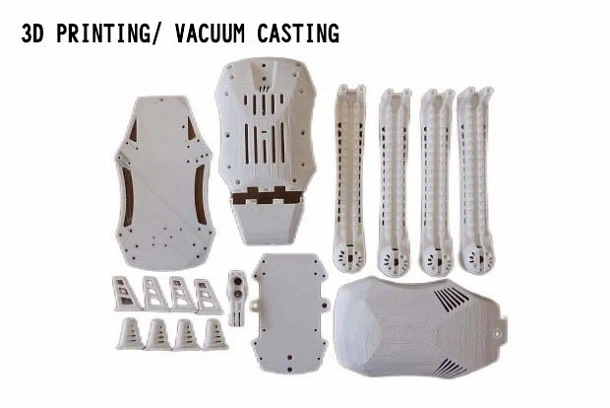
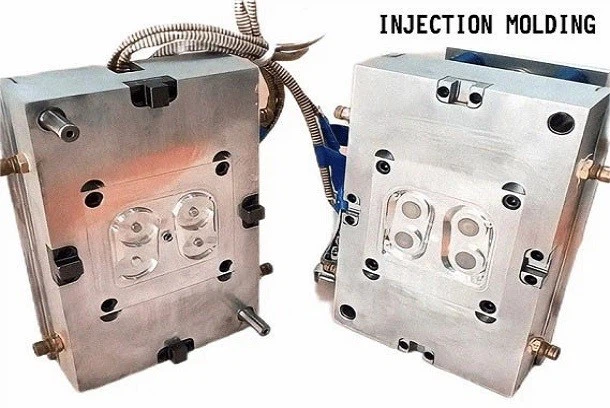
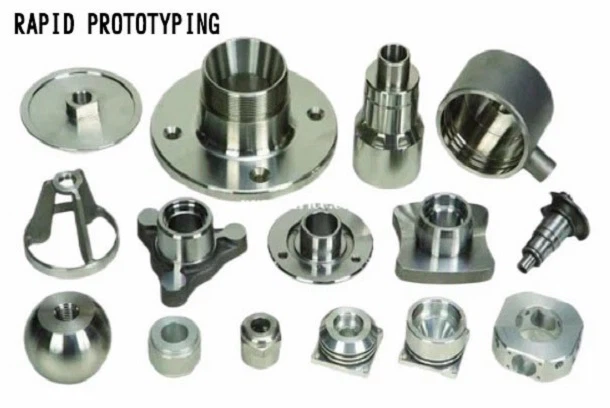
We offer one-stop manufacturing solutions covering CNC machining, 3D printing, sheet metal fabrication, mold making, and a wide range of material options and surface treatment solutions, supporting everything from rapid prototyping to on-demand production.
Our Certificate
Our factory management system conforms to GB/T 9001-2015 IDT ISO 9001:2015 standards.
Quality Control and Shipments
We have specialized engineers to examine the quantity, size, assembly, and surface finish. Once they confirm that everything is in order, we will send pictures to our clients for confirmation. After approval, we will arrange international express shipping (DHL, UPS, TNT, EMS, FedEx) with the best packaging.
After-Sale Service
If there are any discrepancies with your requirements, we will refund your money or reproduce the products until you are satisfied, free of charge.
Aluminum CNC Machining is a manufacturing process that involves cutting a piece of raw Aluminum until a final desired shape or object remains. CNC machines cut unwanted geometries away from a raw block of Aluminum using a CNC (computer numerically controlled) milling tool. These machines are very precise, allowing for high accuracy and part complexity.
-
![7075 CNC Milling Aluminum Machining]() 7075 CNC Milling Aluminum MachiningWe are one of the best factories of CNC Machining,CNC Milling,CNC Turning Process Service. Process Material: Al6061T6,6082,7075,Ly12,Stainless Steel 303,304,Carbon Steel. Surface Fininish:
7075 CNC Milling Aluminum MachiningWe are one of the best factories of CNC Machining,CNC Milling,CNC Turning Process Service. Process Material: Al6061T6,6082,7075,Ly12,Stainless Steel 303,304,Carbon Steel. Surface Fininish: -
![5 Axis High Speed Cnc Machining]() 5 Axis High Speed Cnc MachiningWe are one of the best factories of CNC Machining,CNC Milling,CNC Turning Process Service. Process Material: Al6061T6,6082,7075,Ly12,Stainless Steel 303,304,Carbon Steel. Surface Fininish:
5 Axis High Speed Cnc MachiningWe are one of the best factories of CNC Machining,CNC Milling,CNC Turning Process Service. Process Material: Al6061T6,6082,7075,Ly12,Stainless Steel 303,304,Carbon Steel. Surface Fininish: -
![5 Axis Aerospace Machining]() 5 Axis Aerospace MachiningWe are one of the best factories of CNC Machining,CNC Milling,CNC Turning Process Service.Process Material: Al6061T6,6082,7075,Ly12,Stainless Steel 303,304,Carbon Steel.Surface Fininish:
5 Axis Aerospace MachiningWe are one of the best factories of CNC Machining,CNC Milling,CNC Turning Process Service.Process Material: Al6061T6,6082,7075,Ly12,Stainless Steel 303,304,Carbon Steel.Surface Fininish: -
![Custom Aluminum CNC Machining]() Custom Aluminum CNC Machiningwe are one of the best factories of CNC Machining CNC Milling CNC Turning.Acceptable 3D Drawing File: Step,Stp,X-T,Igs,Dwg.Delivery Time: 3-7 work days (Prototypes) .Payment Terms: TT,Paypal,Western
Custom Aluminum CNC Machiningwe are one of the best factories of CNC Machining CNC Milling CNC Turning.Acceptable 3D Drawing File: Step,Stp,X-T,Igs,Dwg.Delivery Time: 3-7 work days (Prototypes) .Payment Terms: TT,Paypal,Western -
![CNC Engraving And Milling Aluminum 6061 Processing]() CNC Engraving And Milling Aluminum 6061 Processingwe are one of the best factories of CNC Machining CNC Milling CNC Turning.Acceptable 3D Drawing File: Step,Stp,X-T,Igs,Dwg.Delivery Time: 3-7 work days (Prototypes) .Payment Terms: TT,Paypal,Western
CNC Engraving And Milling Aluminum 6061 Processingwe are one of the best factories of CNC Machining CNC Milling CNC Turning.Acceptable 3D Drawing File: Step,Stp,X-T,Igs,Dwg.Delivery Time: 3-7 work days (Prototypes) .Payment Terms: TT,Paypal,Western -
![Precision Machined Aluminum Parts]() Precision Machined Aluminum Partswe are one of the best factories of CNC Machining CNC Milling CNC Turning.Acceptable 3D Drawing File: Step,Stp,X-T,Igs,Dwg.Delivery Time: 3-7 work days (Prototypes) .Payment Terms: TT,Paypal,Western
Precision Machined Aluminum Partswe are one of the best factories of CNC Machining CNC Milling CNC Turning.Acceptable 3D Drawing File: Step,Stp,X-T,Igs,Dwg.Delivery Time: 3-7 work days (Prototypes) .Payment Terms: TT,Paypal,Western -
![CNC machining custom aluminum alloy parts]() CNC machining custom aluminum alloy partsCNC machining of customized aluminum alloy parts has become an indispensable processing method in modern manufacturing industry due to its advantages of high precision, flexibility, fast production,
CNC machining custom aluminum alloy partsCNC machining of customized aluminum alloy parts has become an indispensable processing method in modern manufacturing industry due to its advantages of high precision, flexibility, fast production, -
![High Precision ALuminum CNC Turning Parts]() High Precision ALuminum CNC Turning Partswe are one of the best factories of CNC Machining CNC Milling CNC Turning.. Acceptable 3D Drawing File: Step,Stp,X-T,Igs,Dwg.. Delivery Time: 3-7 work days (Prototypes) .. Payment Terms:
High Precision ALuminum CNC Turning Partswe are one of the best factories of CNC Machining CNC Milling CNC Turning.. Acceptable 3D Drawing File: Step,Stp,X-T,Igs,Dwg.. Delivery Time: 3-7 work days (Prototypes) .. Payment Terms: -
![Aluminum 6061 T6 CNC Machining]() Aluminum 6061 T6 CNC MachiningWe are one of the best factories of CNC Machining,CNC Milling,CNC Turning Process Service.. Process Material: Al6061T6,6082,7075,Ly12,Stainless Steel 303,304,Carbon Steel.. Surface Fininish:
Aluminum 6061 T6 CNC MachiningWe are one of the best factories of CNC Machining,CNC Milling,CNC Turning Process Service.. Process Material: Al6061T6,6082,7075,Ly12,Stainless Steel 303,304,Carbon Steel.. Surface Fininish: -
![CNC MACHINING PARTS]() CNC MACHINING PARTSWe are the high quality factory of CNC Machining,CNC Milling,CNC Prototyping Process Service.. Process Material: Al6061T6,6082,7075,Ly12,Stainless Steel 303,304,Carbon Steel.. Surface Fininish:
CNC MACHINING PARTSWe are the high quality factory of CNC Machining,CNC Milling,CNC Prototyping Process Service.. Process Material: Al6061T6,6082,7075,Ly12,Stainless Steel 303,304,Carbon Steel.. Surface Fininish: -
![Custom Aluminum Parts Cnc Machining]() Custom Aluminum Parts Cnc MachiningWe are the high quality factory of CNC Machining,CNC Milling,CNC Prototyping Process Service.. Process Material: Al6061T6,6082,7075,Ly12,Stainless Steel 303,304,Carbon Steel.. Surface Fininish:
Custom Aluminum Parts Cnc MachiningWe are the high quality factory of CNC Machining,CNC Milling,CNC Prototyping Process Service.. Process Material: Al6061T6,6082,7075,Ly12,Stainless Steel 303,304,Carbon Steel.. Surface Fininish: -
![CNC MACHINING PARTS PRECISION]() CNC MACHINING PARTS PRECISIONWe are the high quality factory of CNC Machining,CNC Milling,CNC Prototyping Process Service.. Process Material: Al6061T6,6082,7075,Ly12,Stainless Steel 303,304,Carbon Steel.. Surface Fininish:
CNC MACHINING PARTS PRECISIONWe are the high quality factory of CNC Machining,CNC Milling,CNC Prototyping Process Service.. Process Material: Al6061T6,6082,7075,Ly12,Stainless Steel 303,304,Carbon Steel.. Surface Fininish:


CNC Machining is mainly processing aluminum alloy products.CNC Machining has high precision.the tolerance can be controlled to be +/-0.02mm.the surface is smooth very much.we can do sandblast,anodize,paint for cnc machining aluminum products.Aluminum products are widely used in auto parts.we have full Experience.
CNC Milling is a cutting process in which material is removed from a block by a rotating tool. In CNC milling the cutting tool is moved in all three or five dimensions to achieve the desired part shape. In CNC milling the cutting tool usually rotates about an axis that is perpendicular to the table that holds the material to be cut. A milling machine looks somewhat like a drill press at first glance. A cutting tool protrudes down from a rotating spindle. A block of material is placed on a moving table below the cutter. While the cutting tool turns, a computer controls the vertical (Z axis) motion of the cutter and the horizontal (X and Y axis) motion of the block of material. The cutter is guided to move through the material, removing portions to create shapes.
As one of the reliable manufacturers and suppliers in China, our company is available to provide the CNC mill made in China with superior quality that you can buy the good products from our factory.
Benefits of Aluminum CNC Machining
Machinability
Aluminium is readily formed, worked, and machined using a variety of processes. It can be quickly and easily cut by machine tools because it is soft and it chips easily. It is also less expensive and requires less power to machine than steel. These characteristics are of immense benefits to both the machinist and the customer ordering the part. Furthermore, aluminium’s good machinability means it deforms less during machining. This leads to higher accuracy as it allows CNC machines to achieve higher tolerances.
Strength-to-weight Ratio
Aluminium is about a third of the density of steel. This makes it relatively light. Despite its lightweight, aluminium has very high strength. This combination of strength and light weight is described as the strength-to-weight ratio of materials. Aluminium’s high strength-to-weight ratio makes it favourable for parts required in several industries such as the automotive and aerospace industries.
Corrosion Resistance
Aluminium is scratch resistant and corrosion resistant in common marine and atmospheric conditions. You can enhance these properties by anodizing. It’s important to note that resistance to corrosion varies in different aluminium grades. The most regularly CNC machined grades, however, have the most resistance.
Performance at Low Temperatures
Most materials tend to lose some of their desirable properties at sub-zero temperatures. For example, both carbon steels and rubber become brittle at low temperatures. Aluminium, in its turn, retains its softness, ductility, and strength at very low temperatures.
Electrical Conductivity
The electrical conductivity of pure aluminium is about 37.7 million siemens per metre at room temperature. Although aluminium alloys may have lower conductivities than pure aluminium, they are conductive enough for their parts to find use in electrical components. On the other hand, aluminium would be an unsuitable material if electrical conductivity is not a desirable characteristic of a machined part.
Recyclability
Since it is a subtractive manufacturing process, CNC machining processes generate a large number of chips, which are waste materials. Aluminium is highly recyclable which means it requires relatively low energy, effort, and cost to recycle. This makes it preferable to those who want to recoup expenditure or reduce material wastage. It also makes aluminium a more environmentally-friendly material to machine.
Anodisation Potential
Anodisation, which is a surface finishing procedure that increases the wear and corrosion resistance of a material, is easy to achieve in aluminium. This process also makes adding colour to machined aluminium parts easier.
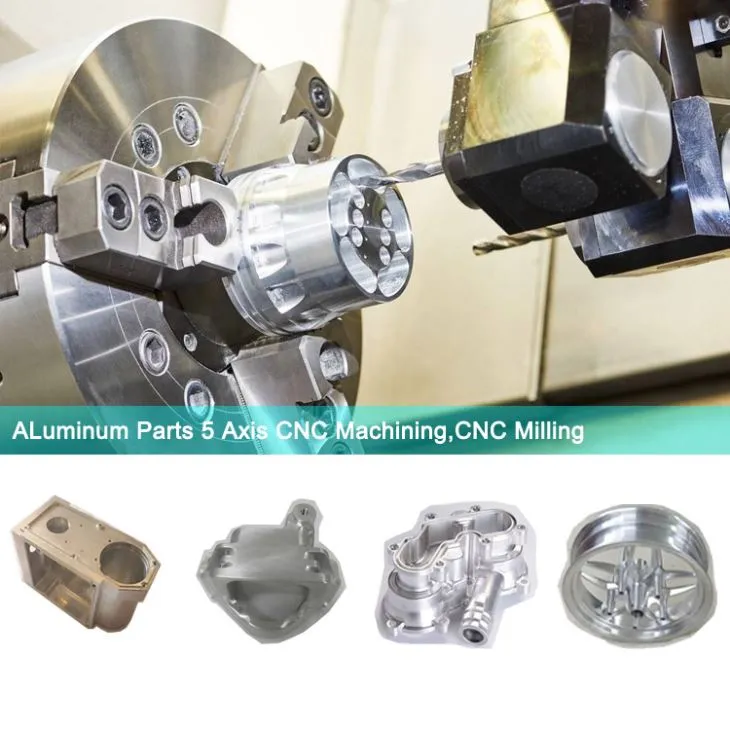
Aluminum machining techniques
Milling: This technique relies on rotary milling cutters to remove material and create a wide range of shapes and surfaces. It is particularly useful for creating parts that require multiple precise cuts.
Turning: This method involves rotating aluminum on a central axis while the cutting tool sculpts the metal to form cylindrical parts. It is ideal for shaping symmetrical components like shafts and bearings.
Drilling: Drilling is used to create precise holes in aluminum. This technique is necessary for assemblies that require fasteners or to integrate other components.
Applications Of Aluminum CNC Machined Parts
Here are some industries that widely use applications of Aluminum CNC Machining:
Aerospace Industry:
Aluminum CNC parts are widely used in aerospace due to their lightweight and durability. Aircraft components benefit from aluminum's strength and CNC machining's precision in crafting intricate shapes and meeting strict tolerances.
Automotive Industry:
The automotive industry uses aluminum CNC parts for engine and suspension parts. Aluminum's qualities, paired with CNC machining's precision, guarantee reliable and high-performing automotive components.
Medical Industry:
Aluminum CNC parts are used in the medical field because aluminum is biocompatible and can be sterilized. Custom manufacturing through CNC machining allows for the creation of medical implants and devices tailored to each patient's needs, ensuring compatibility and sterilizability.
Maritime Industry:
Aluminum CNC machined parts are crucial in boat and shipbuilding due to their resistance to corrosion and lightweight properties.
Electronics Industry:
The electronics industry uses aluminum CNC parts for various components thanks to aluminum's excellent thermal conductivity and lightweight properties.
Agricultural Machinery:
Aluminum CNC machined parts are utilized in agricultural machinery for their durability and resistance to harsh environmental conditions. CNC machining provides precise and efficient manufacturing of agricultural components, such as frame structures, gearbox housings, and hydraulic components.
Best Practices of Aluminum CNC Machining
Optimize Your Feeds and Speeds
The softer the material you are cutting, the faster the recommended cutting speed. At 300-600 meters per minute (using a carbide tool), aluminum has a similar cutting speed to wood. However, unlike when cutting wood, the optimal feeds and speeds for your setup will be in a much tighter range.
Machining aluminum is often characterized by a high spindle speed. Be wary of combining high spindle RPMs with feed rates that are too slow, as the tool will spend more time rubbing against the aluminum than cutting it. This will increase the working temperature and drastically reduce tool life.
Keep on Top of Chip Clearance
One of the biggest issues when machining aluminum is chip removal, especially when cutting deep pockets into the material. The deeper the cut, the more difficult it is to remove the chips from the bottom of the pocket. A buildup of chips at the bottom of a pocket is the fastest way to turn your cutter into an aluminum popsicle.
Not only will the chips stick to the cutter when heated, but they will also adhere to the workpiece. This causes work hardening of the material surfaces, degrades the quality of the surface finish, and can affect part tolerances.
Choose a Cutter with a Low Flute Count
The most important factor in choosing a cutting tool for aluminum is maximizing space for chip evacuation. The more flutes a cutter has, the less space there is for evacuating chips. Two-flute cutters are ideal, with single-flute and three-flute tools also being effective.
Fewer flutes do decrease tool rigidity, so use the shortest tool possible for your application and watch out for tool deflection, particularly when using small-diameter end mills.
Use the Right Tool Material
High-speed steel is not strong enough under the cutting conditions required for aluminum. Since aluminum is relatively soft to cut, you should prioritize tool hardness over tool toughness. A harder tool material will allow the cutting edge to stay sharp for longer. Maintaining a sharp cutting edge will create a better finish, reduce friction, and minimize the amount of aluminum deposited on the cutting edge.
You should use tools made from carbide when machining aluminum. The higher speed and sharper-for-longer carbide cutters create a greater shearing force, which reduces the amount of long, stringy aluminum swarf that ends up fouling the cutter.
You Don’t Need a Fancy Tool Coating
What about those nice-looking gold TiN-coated end mills? Don’t bother. The coating is designed to improve wear resistance when machining more abrasive materials. It is rougher and more chemically reactive with aluminum than the bare tool. Both of these factors will increase the amount of aluminum that adheres to the tool.
Why Aluminum in CNC Machining
Aluminium CNC machining has several advantages over other metals. These advantages include:
Depending on the quality, aluminum has a strong corrosion resistance, which offers protection against chemical wear and oxidization. 6061 is one of the most corrosion-resistant grades, and it is used in various applications to guard against corrosive environments.
Aluminum is highly recyclable, making it ideal for firms looking to decrease their environmental impact or minimize material waste while saving money. Because of the potentially huge amounts of waste generated by these operations while cutting workpieces, CNC machining applications frequently use recyclable materials.
Aluminium is used in many parts because of its great physical features, such as its lightweight yet high-strength nature. Aluminum’s qualities make it excellent for the production of crucial parts in a variety of industries, including automotive and aerospace. Automotive shafts and aviation fittings are two examples of parts that rely on CNC-machined aluminium.
It’s crucial to understand that different grades of aluminium serve different purposes. A general-purpose grade, such as 6061, has a high strength-to-weight ratio that is compatible with a wide range of parts. Meanwhile, maritime and aeronautical applications may require stronger aluminium, in which case a grade like as 7075 may be used.
Because of aluminum’s excellent conductivity, CNC-machined aluminum pieces are frequently used in electrical components. While not nearly as conductive as copper, pure aluminum can conduct around 37.7 million Siemens per meter at ambient temperature. Certain alloys may have lower conductivity, but aluminum is generally more conductive than stainless steel and other metals.
Engineers usually prefer aluminum to other metals due to its machinability. Because this metal is easy to form and chip, it can be correctly and efficiently cut using CNC machining equipment. This high level of machinability decreases the machining job’s timeframe, making the procedure considerably more economical. Furthermore, aluminum’s machinability reduces the possibility of component deformation when cutting the workpiece, resulting in greater precision, accuracy, and repeatability.
Types of Aluminum Used in CNC Machining
When used in its purest form, aluminum is corrosion-resistant and malleable, serving as an excellent conductor of heat and electricity. However, it is too weak for direct commercial applications. That’s why manufacturers often create alloys by mixing other elements, such as copper, zinc, silicon, or lithium, with molten aluminum to enhance strength and boost its natural properties for CNC machined parts. Here are some of the most common alloys used in CNC aluminum machining:
Cast Aluminum Alloys
Molten aluminum is shaped by pouring it into a mold (to match the required part design) and then cooled. This is an affordable and durable choice in the automotive industry.
Wrought Aluminum Alloys
In this process, aluminum is shaped in its solid state after transforming liquid aluminum into large blocks, which are then rolled or cut to give the desired shape using CNC machining tools.
Aluminum-Lithium (Al-Li) Alloys
These alloys are primarily used in the aerospace sector for making inner wing structures, lower wing skins, fan blades, and fuselages, as lithium is lighter than pure aluminum. Al-Li alloys are also found in space rockets and racing cars.
The Art of Aluminium CNC Machining Techniques
Aluminium Milling:
Milling, the process of cutting and shaping aluminium to exact specifications, is akin to an artist chiselling a masterpiece from marble. With computer numerical control (CNC) technology, milling machines transform aluminium blocks into complex parts with an unparalleled level of accuracy. The versatility of milling allows for the creation of features such as slots, holes, and contours, making it a cornerstone technique in markets such as aerospace, automotive, and electronics manufacturing. The precision of the tool’s movement, controlled by sophisticated software, ensures that even the most complex designs are feasible.
Aluminium Turning:
Turning is the mesmerising process where aluminium rods are rotated at high speeds while a cutting tool peels away material to reveal the desired shape. This method is essential for creating symmetrical parts like shafts, knobs, and pulleys. The art of turning lies in it’s simplicity and efficiency, allowing for high precision and surface finish. The CNC lathe, guided by detailed programming, manipulates aluminium with precision, ensuring each curve and dimension is a testament to accuracy.
Aluminium Cutting:
Cutting through aluminium with the finesse of a skilled artisan, CNC machines employ a range of tools to slice through metal with precision. From waterjets emitting high-pressure streams to laser cutters producing focused beams of light, the method chosen depends on the intricacy and tolerance requirements of the design. This technique is crucial for creating custom shapes and designs, enabling manufacturers to cut detailed patterns and complex geometries with clean edges and minimal waste.
Aluminum Drilling:
Drilling into aluminium is an exercise in creating possibilities—each hole is a pathway for bolts, wires, or other components to connect and bring functionality to a part. The precision of CNC drilling ensures that each cavity is perfectly sized and positioned, allowing for seamless assembly and functionality. This technique is pivotal in electrical housings, automotive parts, and aerospace components, where exactitude in hole placement can mean the difference between success and failure.
Aluminum Grinding:
Grinding is the art of finishing, where the aluminium surface is refined to its final form, improving both aesthetic and functional qualities. With CNC machines, grinding is raised to a form of fine art, producing surfaces that meet exact roughness specifications and creating textures that are both pleasing to the touch and visually appealing. This final step in the machining process ensures that each piece not only fits perfectly but also stands the test of time, resisting wear and tear with a durable finish.
Our Factory
Established in 2011 in Shenzhen, China. Smile RP Ltd. (Shenzhen Smile Precision Technology Co limited) is an empowering company that provides precision manufacturing services and comprehensive manufacturing solutions. Since 2013, SMILE has been exporting excellent parts overseas, gradually expanding its customer base worldwide over the past decade.

FAQ
As one of the leading aluminum cnc machining manufacturers and suppliers in China, we warmly welcome you to wholesale quality aluminum cnc machining made in China from our factory.
Aluminum Products 5 Axis CNC Machining, Precision Aluminum Parts CNC Milling, Aluminum prototype cnc machining with high accuracyPopular Products


