


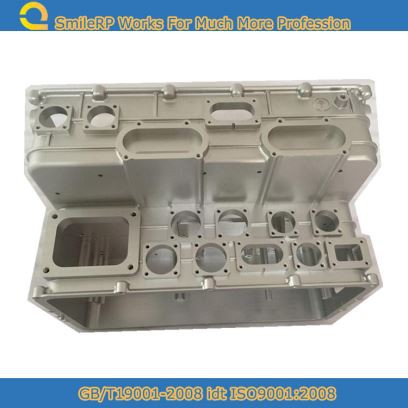
1, CNC tolerance range for aluminum
When CNC machining aluminum, the tolerance range is affected by various factors, including machine tool accuracy, tool performance, machining parameters, and the characteristics of the material itself. Generally speaking, CNC machining tolerances for aluminum materials can achieve a high level of precision.
Linear dimensional tolerance: CNC machining can achieve very precise control over the linear dimensions of aluminum materials, such as length, width, height, etc. The specific tolerance range depends on the machining requirements, machine tool accuracy, and tool performance. On high-end CNC machine tools, when using high-quality cutting tools for processing, the linear dimensional tolerance of aluminum can be controlled within ± 0.01mm, and even achieve extremely high precision of ± 0.005mm.
Shape and positional tolerances: In addition to linear dimensional tolerances, CNC machining of aluminum also requires control of shape and positional tolerances, such as flatness, straightness, parallelism, perpendicularity, etc. These tolerances are also affected by machine tool accuracy, tool performance, and machining parameters. In precision machining, shape and positional tolerances also need to be strictly controlled to ensure that the machined parts meet the design requirements.
Surface roughness: Surface roughness is an important indicator for measuring the quality of processed surfaces. When CNC machining aluminum, the roughness of the machined surface can be controlled by selecting appropriate cutting tools, machining parameters, and cutting fluids. Generally speaking, the surface roughness of CNC machined aluminum can reach 1.6-0.8 μ m, or even lower. When using finely polished diamond turning tools for machining on high-precision lathes, the surface roughness can be reduced to 0.04-0.01 μ m, achieving a "mirror turning" effect.
2, Factors affecting CNC tolerances of aluminum
Machine tool accuracy: The accuracy of the machine tool is one of the key factors determining the machining tolerance. High precision CNC machine tools can provide a more stable machining environment and more precise machining control, thereby reducing machining errors.
Tool performance: The material, geometric shape, and wear of the tool can all affect machining tolerances. High quality cutting tools can maintain high cutting efficiency and machining accuracy, reducing the impact of tool wear on machining tolerances.
Processing parameters: Processing parameters include cutting speed, feed rate, cutting depth, etc. The selection of these parameters directly affects the cutting force and cutting heat during the machining process, which in turn affects the machining tolerance. Reasonable machining parameters can reduce the impact of cutting force and cutting heat on the workpiece, and improve machining accuracy.
Material characteristics: The hardness, toughness, thermal conductivity, and other properties of aluminum can also affect machining tolerances. Aluminum materials of different grades exhibit varying cutting performance and machining accuracy during the processing.
Environmental factors: Environmental factors such as temperature and vibration during the machining process can also affect machining tolerances. Therefore, it is necessary to maintain a stable machining environment and reduce the impact of external factors on machining accuracy during CNC machining.
3, How to Control CNC Tolerance of Aluminum
Choosing high-precision machine tools: Using high-precision CNC machine tools for machining is the basis for controlling tolerances. High precision machine tools can provide a stable machining environment and precise machining control, ensuring high precision and quality of the machined parts.
Using high-quality cutting tools: Choosing high-quality cutting tools suitable for aluminum processing can maintain high cutting efficiency and machining accuracy. Meanwhile, regular inspection and replacement of cutting tools can also reduce the impact of tool wear on machining tolerances.
Optimizing processing parameters: Choosing appropriate processing parameters based on the characteristics and processing requirements of aluminum is the key to controlling tolerances. By optimizing parameters such as cutting speed, feed rate, and cutting depth, the impact of cutting force and cutting heat on the workpiece can be reduced, and machining accuracy can be improved.
Controlling the machining environment: Maintaining a stable machining environment is an effective measure to reduce the impact of external factors on machining accuracy. In the CNC machining process, it is necessary to control factors such as environmental temperature and vibration to ensure the accuracy and stability of the machined parts.
Strengthen quality control: Quality control and inspection work need to be strengthened in the CNC machining process. By regularly detecting parameters such as size, shape, and surface quality of the machined parts, machining errors can be detected and corrected in a timely manner to ensure high precision and quality of the machined parts.


