


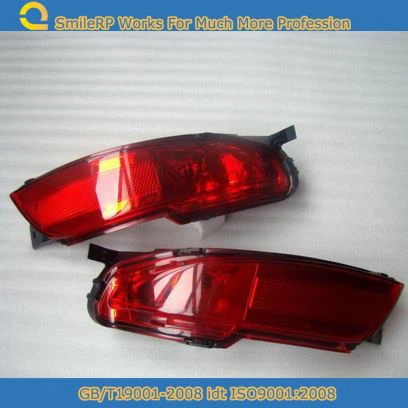
1, Processing capability of silicone rubber
The processing capability of silicone rubber is mainly reflected in its excellent physical and chemical properties. Firstly, silicone rubber has excellent resistance to high and low temperatures, and can maintain stable performance in extreme temperature environments, which makes it widely used in high or low temperature environments such as automobiles and aerospace. Secondly, silicone rubber has excellent resistance to oxidation and hydrolysis, and can resist the erosion of most chemicals. Therefore, it is widely used in fields such as medical devices and food processing. In addition, silicone rubber also has good electrical insulation performance, biocompatibility, and non-toxic and harmless characteristics, which make silicone rubber irreplaceable in fields such as electronics, healthcare, and biotechnology.
The processing capability of silicone rubber is also reflected in its plasticity and formability. Silicone rubber can be processed through various molding processes such as injection molding, extrusion, and compression molding, which can produce silicone rubber products of various shapes, sizes, and complexities. At the same time, silicone rubber has good elasticity and high resilience, making the processed products have excellent durability and fatigue resistance.
2, Processing methods of silicone rubber
There are various processing methods for silicone rubber, and different molding processes can be selected according to specific application requirements and product shapes. Here are some common methods for processing silicone rubber:
Injection molding: Injection molding is one of the most commonly used methods in silicone rubber processing. By injecting molten silicone rubber into the mold and cooling it to solidify, the desired shape of the product is obtained. Injection molding has the advantages of high production efficiency and high product accuracy, and is suitable for large-scale production.
Extrusion molding: Extrusion molding is the process of extruding silicone rubber through an extruder to form continuous tubular, rod-shaped, or strip-shaped products. This method is suitable for producing long or tubular silicone rubber products, such as sealing strips, wire sheaths, etc.
Compression molding: Compression molding is the process of placing silicone rubber into a mold and curing it into shape through heating and pressure. This method is suitable for producing silicone rubber products with complex shapes and high dimensional accuracy requirements, such as automotive parts, medical devices, etc.
Liquid Silicone Injection Molding (LSR): Liquid silicone injection molding is a special silicone rubber processing method suitable for producing high-precision, high-quality, and highly consistent silicone rubber products. This method involves injecting liquid silicone into a mold and rapidly curing it under high temperature and pressure, resulting in silicone rubber products with excellent performance.
3, Precautions during the processing of silicone rubber
When processing silicone rubber, the following points should be noted to ensure product quality and production efficiency:
Choose appropriate raw materials: Select suitable silicone rubber raw materials based on specific application and product requirements. Different raw materials have different performance characteristics, such as hardness, temperature resistance range, chemical corrosion resistance, etc.
Optimizing mold design: Mold design is a key link in silicone rubber processing. Reasonable mold design can improve production efficiency, reduce production costs, and ensure product accuracy and consistency. When designing molds, it is necessary to consider factors such as the flowability and shrinkage rate of silicone rubber.
Control processing parameters: The processing parameters of silicone rubber include temperature, pressure, time, etc. These parameters have a significant impact on the quality and performance of the product. Therefore, it is necessary to strictly control these parameters during the processing to ensure that they are within the optimal range.
Quality inspection: During the processing of silicone rubber, quality inspection is required to ensure product quality. Common quality inspection methods include visual inspection, dimensional measurement, performance testing, etc. Through quality inspection, problems in production can be detected and corrected in a timely manner, improving product quality and customer satisfaction.


